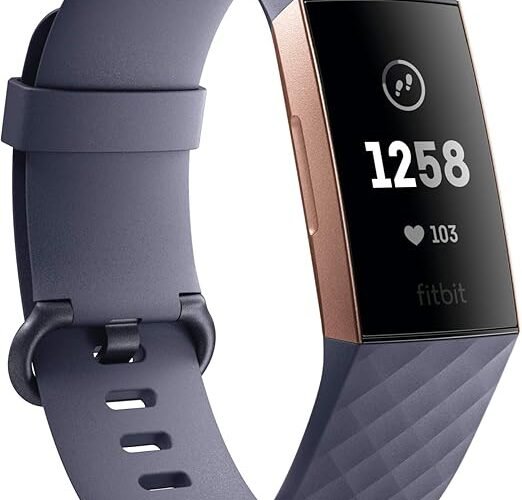
In today’s fast-moving world, many people are looking for simple ways to stay aware of their health, daily movement, and overall routine. A fitness tracker can be a practical tool for building healthier habits, monitoring activity, and encouraging consistency over time. Among the well-known names in wearable fitness technology, the Fitbit Charge 3 Fitness Activity Tracker has attracted attention for its slim design, lifestyle-friendly features, and focus on everyday wellness.
Rather than being just a device for athletes, the Fitbit Charge 3 is designed for a wide range of users. Whether someone is starting a fitness journey, trying to become more active during the week, or simply hoping to understand their daily patterns better, this tracker offers a balanced set of functions that fit into ordinary life. From counting steps to helping users monitor sleep and exercise sessions, it brings useful wellness information directly to the wrist in a straightforward and accessible way.
This article explores the Fitbit Charge 3 Fitness Activity Tracker in an informative, policy-friendly way, focusing on its features, design, general use cases, and the type of user who may find it helpful.
🌟 A Modern Fitness Tracker Built for Daily Life
The Fitbit Charge 3 belongs to a category of wearables that aim to bridge the gap between fitness tracking and smart convenience. It is not only about workouts. It is also about understanding movement throughout the day, sleep quality at night, and activity trends over time.
Many people spend long hours sitting, working at desks, commuting, or following routines that make it difficult to stay active. A wrist-based tracker can serve as a reminder to move more often and become more mindful of habits. The Fitbit Charge 3 supports this general purpose by offering a variety of tracking tools while keeping the overall experience simple enough for regular daily wear.
Its slim profile makes it look more like a sleek lifestyle accessory than a bulky sports device. This is one reason why it has appealed to users who want a tracker that can be worn comfortably at work, during errands, while exercising, and even while sleeping.
🎯 Key Purpose of the Fitbit Charge 3
The Fitbit Charge 3 is centered around the idea of helping users stay informed about:
- Daily activity
- Exercise sessions
- Heart rate trends
- Sleep patterns
- General wellness habits
It is intended to provide a clearer picture of how active a person is during the day and how lifestyle behaviors may change over time. For many users, this type of feedback can be motivating. Instead of guessing whether they have moved enough, they can check their daily progress and adjust as needed.
🖤 Stylish and Comfortable Design
One of the standout characteristics of the Fitbit Charge 3 Fitness Activity Tracker is its design. It has a lightweight body and a clean, minimalist look that suits many styles. Unlike larger smartwatches, the Charge 3 has a narrower band and a more compact display, which may feel more comfortable for users who prefer a less noticeable wearable.
Design highlights often associated with this tracker include:
- A lightweight construction
- A streamlined wristband style
- A touchscreen display
- A look suitable for both casual and active settings
Because comfort is essential in a tracker meant to be worn all day and night, a slim and ergonomic design can make a meaningful difference. Many users prefer devices they can forget they are wearing, especially when tracking sleep or wearing the tracker through long workdays.
🚶 Activity Tracking for Everyday Movement
At its core, the Fitbit Charge 3 is designed to help users stay aware of movement throughout the day. Daily activity tracking is one of the most practical features of a wearable because it turns abstract goals into visible numbers and patterns.
Common activity metrics may include:
- Steps taken
- Distance covered
- Calories burned
- Active minutes
- Hourly movement reminders
For people trying to be more active, simply seeing step counts rise during the day can provide useful motivation. Some users enjoy working toward daily movement goals, while others use the data to identify sedentary habits and make small changes, such as walking more often, taking the stairs, or adding short movement breaks into their schedule.
Hourly reminders to move can be particularly helpful for office workers or those who spend significant time seated. These gentle prompts can support better movement habits without requiring a structured exercise routine.
❤️ Heart Rate Tracking and Wellness Insights
Another major feature often associated with the Fitbit Charge 3 is heart rate tracking. Wrist-based heart rate monitoring can provide a general picture of how the body responds during rest, exercise, and daily activities.
Heart rate data may help users better understand:
- Workout intensity
- Resting heart rate trends
- Overall effort during physical activity
- Changes in activity patterns over time
For example, during exercise, a user may use heart rate information to gauge whether they are working at a light, moderate, or more intense level. Outside of workouts, resting heart rate trends may offer general insight into wellness and routine changes. While wearable devices are not medical tools, many people appreciate the extra visibility into their daily health patterns.
This feature can be useful for users who want something more informative than simple step counting but still prefer a device that remains easy to use.
💤 Sleep Tracking for Better Routine Awareness
Sleep plays a major role in fitness, recovery, mood, focus, and long-term wellness. Many people know they need better sleep, but they may not have a clear sense of how consistent their sleep patterns really are. The Fitbit Charge 3 helps bring more awareness to this part of everyday health.
Sleep-related insights may include:
- Total sleep duration
- Time spent asleep
- Sleep schedule patterns
- General nighttime activity monitoring
For users trying to improve their sleep habits, simply being able to view trends may encourage more consistent bedtime routines. It can also help them notice whether factors like exercise, stress, or schedule changes appear to affect sleep timing.
A wearable that can be comfortably worn overnight is often more useful for sleep tracking, and the Charge 3’s lightweight design supports that purpose.
🏃 Exercise Features for Active Users
Although the Fitbit Charge 3 is suitable for general wellness, it also supports users who take part in regular exercise. Whether the activity involves walking, jogging, gym sessions, cycling, or other workouts, having a tracker on the wrist can make it easier to log activity and stay aware of progress.
Exercise-related capabilities may support:
- Workout tracking
- Activity recognition
- Heart rate during exercise
- Progress toward active goals
Some users prefer a wearable that does not feel overly technical or complicated. The Charge 3 offers a middle ground by supporting exercise awareness without turning the user experience into something overly specialized or difficult to navigate.
This makes it appealing to beginners as well as those who want to maintain an active lifestyle without relying on a larger smartwatch.
🌧️ Built for Daily Wear
A fitness tracker meant for real life needs to adapt to more than just workouts. The Fitbit Charge 3 is generally designed for daily use, which means it can accompany users through work, walks, travel, and normal routines.
Features related to durability and everyday practicality add to its appeal. A wearable becomes more useful when it can remain on the wrist throughout different parts of the day rather than being removed frequently.
This all-day wear approach matters because it allows the device to collect a more complete picture of daily patterns, not just isolated exercise sessions.
📱 Smart Features for Convenience
In addition to fitness tracking, the Fitbit Charge 3 includes smart lifestyle elements that can add convenience to daily routines. While it is not meant to replace a smartphone, it can help users stay lightly connected without constantly reaching for their device.
Depending on setup and compatibility, users may access features such as:
- Notifications
- Call or message alerts
- App-related updates
- Basic on-wrist information
For many users, these features are helpful because they support quick glances and simple awareness. This can be useful during meetings, walks, workouts, or busy schedules where checking a phone may be less convenient.
The balance between wellness tracking and everyday smart functionality is one of the reasons wearable trackers remain popular.
🔋 Battery Life and Practical Usability
Battery life is an important factor in any wearable. Frequent charging can interrupt tracking, especially for users interested in monitoring sleep and all-day activity. Devices in the fitness tracker category are often valued for offering more extended battery life compared with larger feature-heavy smartwatches.
A tracker that can go longer between charges tends to feel more practical for users who want a low-maintenance experience. This supports the larger purpose of the Fitbit Charge 3: helping users stay consistent with tracking rather than worrying about constant charging.
Practical usability also includes the app experience. Fitbit devices are generally paired with a companion app that helps users review trends, activity summaries, and wellness information over time. This broader view can make the tracker more meaningful, since day-to-day data becomes part of a longer-term picture.
📊 Understanding Progress Over Time
One of the biggest benefits of a fitness tracker is that it helps convert small daily behaviors into visible long-term trends. A single walk may not seem significant on its own, but over weeks and months, activity data can reveal consistency, improvement, and patterns that might otherwise go unnoticed.
The Fitbit Charge 3 can be useful for people who want to:
- Build better activity habits
- Stay accountable to movement goals
- Observe changes in sleep routines
- Track exercise consistency
- Learn more about daily wellness patterns
This kind of feedback may help users stay engaged with their goals in a realistic and gradual way. Rather than focusing only on intense workouts, many people benefit from seeing how ordinary habits contribute to overall wellness.
👥 Who May Find the Fitbit Charge 3 Helpful?
The Fitbit Charge 3 Fitness Activity Tracker may be suitable for a broad range of users, including:
1. Beginners starting a fitness routine
Those who are new to exercise often prefer a tracker that feels approachable. Step counting, active minutes, and basic wellness insights can provide a simple starting point.
2. Busy professionals
People with desk-based jobs may appreciate reminders to move, daily activity summaries, and lightweight design suitable for all-day wear.
3. Walkers and casual exercisers
Not everyone needs a highly advanced sports watch. Users focused on walking, light workouts, and general health awareness may find this type of tracker practical.
4. Sleep-conscious users
Those interested in understanding their sleep patterns may benefit from overnight tracking features.
5. Users who prefer slim wearables
Some people want the benefits of a wearable without the size or appearance of a full smartwatch. The Charge 3 offers a more compact alternative.
⚖️ General Considerations Before Choosing a Fitness Tracker
When exploring a device like the Fitbit Charge 3, it is useful to think about lifestyle needs rather than just features on paper. A wearable works best when it matches the user’s habits and preferences.
Questions to consider include:
- Do you want a tracker mainly for steps and daily movement?
- Are sleep and heart rate insights important to you?
- Do you prefer a slim tracker over a large smartwatch?
- Will you wear it throughout the day and overnight?
- Are smart notifications a helpful bonus?
A good fitness tracker is not necessarily the one with the most features. Often, the best choice is the one that feels comfortable, easy to use, and supportive of your personal routine.
🌈 Why Fitness Trackers Continue to Matter
Wearable technology has become increasingly common because it helps people stay more aware of behaviors that are easy to overlook. Walking, resting, sleeping, and exercising are all part of the larger wellness picture. Devices like the Fitbit Charge 3 bring these pieces together in a way that is visual, accessible, and easy to monitor.
For many users, the value is not in perfection. It is in awareness. Seeing a step count, monitoring active minutes, or noticing sleep trends may encourage better decisions over time. These small, repeated choices can contribute to a more balanced and health-conscious lifestyle.
That is one reason fitness trackers remain relevant even as wearable technology evolves. They provide a clear and practical role: helping people notice what their bodies and routines are doing each day.
✨ Final Thoughts on the Fitbit Charge 3 Fitness Activity Tracker
The Fitbit Charge 3 Fitness Activity Tracker stands out as a wearable focused on everyday wellness, comfort, and simplicity. Its appeal comes from combining essential fitness features with a sleek design that fits naturally into daily life. For users who want to monitor activity, heart rate, exercise, and sleep without wearing a bulky smartwatch, it represents a balanced and approachable option.
Its strength lies in supporting awareness. Whether someone wants to move more, better understand their routine, maintain exercise momentum, or build healthier habits gradually, the Charge 3 provides tools that align with those goals. It is especially appealing for users who value a slim tracker that can remain on the wrist through work, workouts, and rest.
In a world where wellness can often feel complicated, devices like the Fitbit Charge 3 offer a simple reminder that progress often begins with awareness, consistency, and small daily steps. 🌟
If the button doesn’t work, please refresh the page.